Quick Summary: Changes in vision are common as people age, but they shouldn’t automatically be dismissed as a normal part of getting older. Understanding age-related vision changes, keeping up with routine eye exams, and knowing the signs of vision loss can help you stay proactive about your eye health. From protecting your eyes from sun exposure to managing conditions that can affect vision, these practical steps can make vision care an important part of overall senior wellness.
Your eyesight can change gradually enough that you barely notice it at first. Maybe the menu at your favorite restaurant is harder to read or driving at night isn’t as comfortable as it used to be. Some of these age-related vision changes are common. But that doesn’t mean every change should be ignored.
Good vision affects much more than reading and watching television. It can make it easier to stay active, navigate your surroundings, enjoy hobbies, recognize the people around you, and remain independent. That’s why eye health deserves a regular place on your wellness checklist.
What Vision Changes Are Normal as You Age?
Getting older can bring several gradual changes to your vision. You may find that you need brighter light for close-up tasks or that it takes longer for your eyes to adjust when moving between bright and dark environments.
Presbyopia, the gradual loss of the eye’s ability to focus on nearby objects, is one common example. Cataracts can also become more common with age, causing cloudy vision, glare, faded colors, or difficulty seeing at night.
Other conditions, including glaucoma, age-related macular degeneration, and diabetic eye disease, can affect vision as well. Some may develop with few noticeable symptoms at first, which is one reason routine eye exams matter even when you think your vision is fine.
Know the Signs That Deserve Attention
Knowing the signs of vision loss can help you recognize when it’s time to make an appointment instead of simply adjusting to the change.
Talk with an eye care professional if you notice:
- Increasing difficulty reading or seeing objects at a distance
- New or worsening difficulty seeing at night
- Frequent glare or halos around lights
- Straight lines appearing wavy or distorted
- A blind spot or missing area in your vision
- Increasing difficulty recognizing faces
- A noticeable difference between the vision in your two eyes
- Sudden changes in vision
Sudden vision loss, flashes of light, a sudden increase in floaters, or a curtain-like shadow across your vision require prompt medical attention. These symptoms can sometimes signal a serious eye problem.
Don’t Skip Your Eye Exams
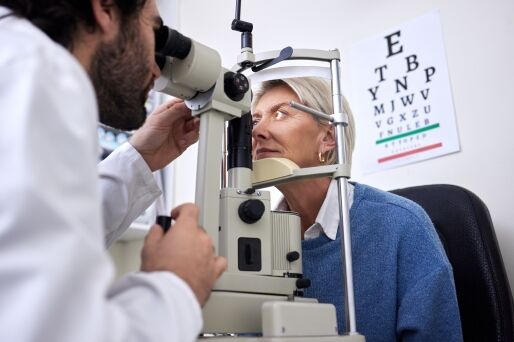
Regular eye exams aren’t only about updating your glasses prescription. An eye care professional can check for conditions that may not cause obvious symptoms in their early stages.
How often you need an exam depends on your age, health history, risk factors, and your eye care professional’s recommendations. People with diabetes, a family history of certain eye diseases, or existing vision problems may need more frequent monitoring.
If you haven’t had a comprehensive eye exam recently, it’s worth asking your primary care provider or eye doctor when you should schedule one.
Everyday Ways to Protect Your Vision
There are also simple habits that support protecting your vision over time.
Wear sunglasses that block UVA and UVB rays when you’re outside. Give your eyes regular breaks during extended periods of reading or screen use. Don’t smoke, and work with your health care providers to manage conditions such as diabetes and high blood pressure that can affect your eyes.
Eating a balanced diet is important, too. Leafy green vegetables, colorful fruits and vegetables, and other nutrient-rich foods can contribute to an overall healthy eating pattern that supports your general health and eye health.
And don’t overlook safety. Use appropriate eye protection when working on projects, gardening, or participating in activities where debris could reach your eyes.
Make Vision Care Part of Senior Wellness
Staying on top of vision care is one small but important part of maintaining an active, independent lifestyle. When you can see comfortably and clearly, it’s easier to keep doing the things you enjoy, from reading and crafting to walking with friends and participating in community activities.
At Monroe Village, senior wellness encompasses the whole person, including the habits and preventive care that help residents continue doing what they love. Staying current with eye exams, paying attention to changes in your vision, and taking simple steps toward protecting your vision can help you stay engaged with the people, activities, and experiences that make each day meaningful.
If you’re experiencing changes in your vision, don’t wait until they begin interfering with your daily life. A conversation with an eye care professional can help you understand what’s changing and what steps you can take next.
Wellness at Monroe Village is about helping residents stay active, engaged, and connected at every stage of life. To learn more about our approach to senior wellness and the lifestyle at Monroe Village, contact our team or schedule a visit.


